Reproductive Health & Pregnancy in the Laboratory
Certain chemicals, biological materials, and physical hazards in the laboratory can cause negative effects to both male and female reproductive systems, fertility, and can affect the developing fetus as well as impact the infant. Female exposure to these materials can reduce fertility, induce early menopausal symptoms, cause damage to the fetus, and broadly cause damage to the reproductive system. Male exposure to reproductive hazards has also been found to damage the reproductive system, reduce fertility, and cause genetic effects to the sperm resulting in miscarriages or birth defects.
The information below is provided as a resource to assist you in identifying laboratory related risks and developing potential mitigation strategies when working in the laboratory environment. In most cases, following standard, prudent laboratory safety practices allows individuals who are pregnant, planning to become pregnant, or of reproductive age, to work safely.
Chemical Hazards
Always review the Safety Data Sheets (SDSs) (Sections 2.1 and 2.2) to identify chemicals that pose potential risks during pregnancy. Common chemicals of concern in a lab include:
- Toxic metals (e.g., arsenic, cadmium, lead, and mercury)
- Chlorinated solvents (e.g., methylene chloride, chloroform)
- Solvents (e.g., benzene, toluene, and xylene)
- Isoflurane
- Chemotherapeutic, cytotoxic, and hormonal drugs (e.g Tamoxifen)
- Formaldehyde (e.g. formalin, paraformaldehyde)
Reproductive toxicants, teratogens, and germ cell mutagens correspond with the following Globally Harmonized System (GHS) codes and hazard statements as seen on Safety Data Sheets (SDS):
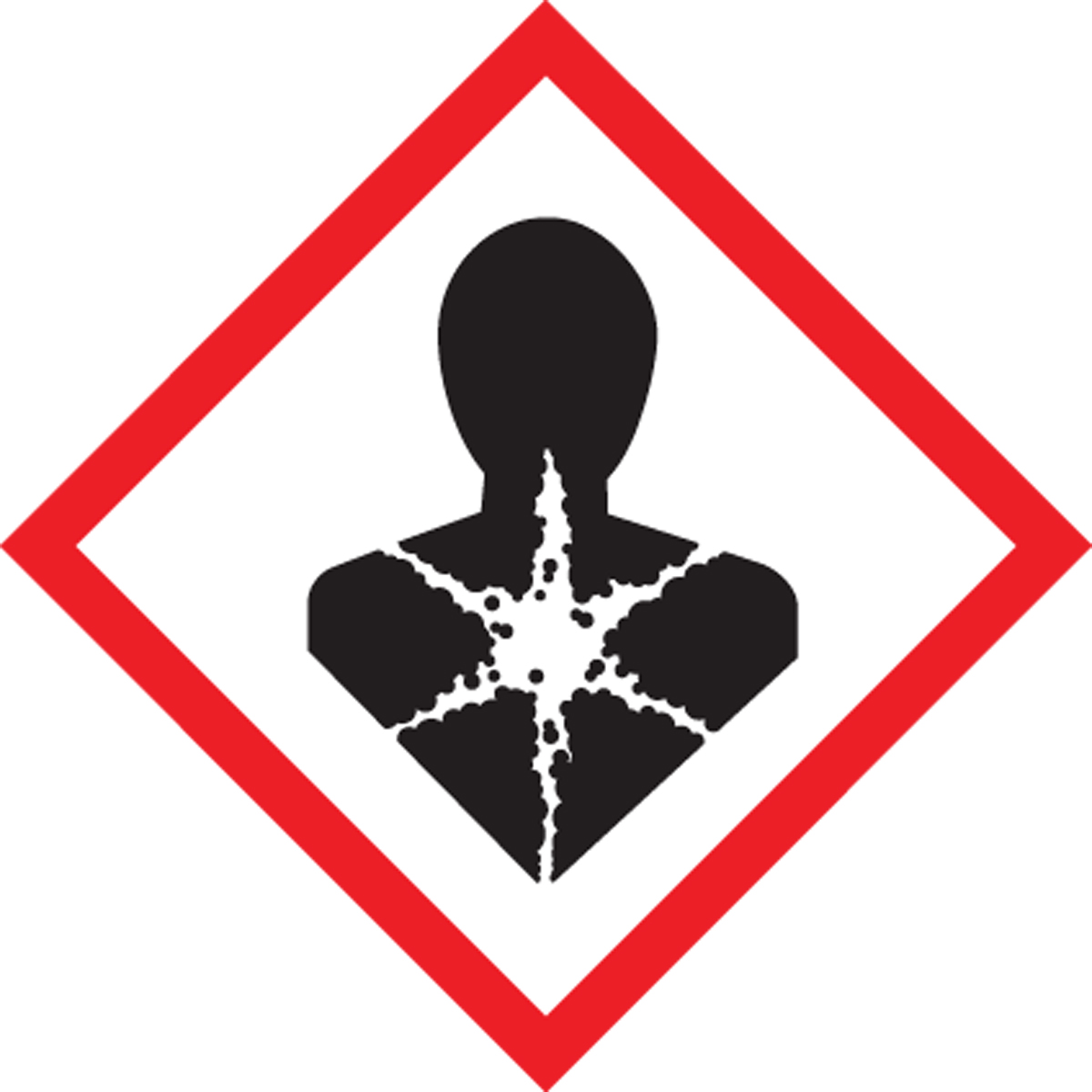
| GHS Code | Hazard Statement | Hazard Class | Hazard Category | Signal Word |
|---|---|---|---|---|
| H360 | May damage fertility or the unborn child | Reproductive Toxicity | 1A, 1B | Danger |
| H360D | May damage the unborn child | Reproductive Toxicity | 1A, 1B | Danger |
| H360FD | May damage fertility; May damage the unborn child | Reproductive Toxicity | 1A, 1B | Danger |
| H360F | May damage fertility | Reproductive Toxicity | 1A, 1B | Danger |
| H361 | Suspected of damaging fertility or the unborn child | Reproductive Toxicity | 2 | Warning |
| H362 | May cause harm to breast-fed children | Reproductive Toxicity, effects on or via lactation | Additional | None Listed |
| H340 | May cause genetic defects | Germ Cell Mutagenicity | 1A, 1B | Danger |
| H341 | Suspected of causing genetic defects | Germ Cell Mutagenicity | 2 | Warning |
Radiation Hazards
Exposure to ionizing radiation may pose higher pregnancy risks as the unborn baby is more sensitive to radiation. The Office of Safety offers personnel monitoring for “Declared Pregnant Workers.” The declaration is confidential. The employer and their supervisor will be notified if work modifications are necessary. Contact the Radiation Safety Officer at und.safety@UND.edu for additional information.
Biological Hazards
Some biological agents present increased risk to reproductive health. Consult your laboratory's Lab-Specific Biosafety Manual for a list of biological agents in use in the laboratory environment. Personal health status may impact an individual's susceptibility to infection, ability to receive immunizations or prophylactic interventions. Women of child-bearing age, planning to become pregnant, or currently pregnant are encouraged to self-identify to their Principal Investigator / Lab Supervisor, and the occupational healthcare provider (Altru Occupational Health 701.780.1947) for appropriate counseling and guidance. Some biological agents of concern include:
- Arboviruses
- Bartonella henselae (Cat Scratch Fever)
- Cytomegalovirus (CMV)
- Group B Streptococcus
- Hepatitis viruses (Hep A, B, C, D, & E)
- Herpes simplex viruses (HSV-1 & HSV-2)
- Human immunodeficiency virus (HIV)
- Listeria monocytogenes
- Paramyxovirus (Mumps)
- Lymphocytic choriomeningitis virus (LCMV)
- Parvovirus (Fifth Disease)
- Rubella and measles viruses
- Salmonella spp. (Salmonellosis)
- Toxoplasma gondii (Toxoplasmosis)
- Varicella zoster (Chickenpox)
- Zika
How to Reduce Your Risk
In general, the control measures shown below are relevant regardless of personal health status; however, there may be additional strategies to reduce exposure when pregnant or considering pregnancy.
- Elimination of Hazardous Tasks: Consider whether any potentially hazardous tasks can be temporarily transferred to other personnel. As an example, having a colleague dilute hazardous stock solutions for you can reduce your risk by eliminating your interaction with concentrated toxins. This is an excellent short-term option whenever possible.
- Substitution of Hazards: Mitigating hazards through substitution, such as using alcohol thermometers instead of mercury thermometers or substituting safer alternatives for ethidium bromide, can reduce your potential risk without affecting your research goals. The practicality of substitutions is specific to each field or project and should be considered where possible. Consult with your Principal Investigator, supervisor, and/or the Office of Safety about potential substitutions.
- Engineering and Administrative Controls: Engineering and administrative controls can be an effective means to reduce risks of exposure; however, reviewing controls early on in pregnancy is important since some controls are user-specific and may not be effective throughout your pregnancy due to physical changes, reduced mobility, etc. As an example, engineering controls such as chemical fume hoods, glove boxes, biosafety cabinets, etc., generally impose mild ergonomic stress on users, which may be more intensive or restrictive for pregnant personnel. In addition, consider how administrative controls, such as standard operating procedures, lab-specific training, etc., can be adapted for safety needs throughout all stages of your pregnancy. The Office of Safety is available to evaluate controls in a discreet manner and discuss the choice, operation, and relevant safety features of engineering controls; consult on administrative controls; and/or help plan for future modifications to any current controls.
- Personal Protective Equipment (PPE): PPE serves as the last line of defense against exposure. No PPE is a perfect barrier. For example, it is important to consider permeation and breakthrough times specific to the chemicals, biological agents, and ionizing radiation you may encounter in the laboratory environment. PPE is user-specific, therefore any PPE provided before pregnancy may need to be resized (e.g., lab coats), retested (e.g., respirators), or reevaluated (e.g., lead aprons). Contact the Office of Safety if you have questions about evolving PPE needs.
- Basic Hygiene Practices: Prevent accidental ingestion or contamination of research materials by practicing basic hygiene in the laboratory. Never eat, drink, chew gum, apply cosmetics, or make other hand-to-mouth/face contact in the laboratory. Avoid handling 'clean' personal items, like cell phones, with gloved hands. Always wash your hands with soap and water after removing gloves and when leaving the laboratory.
Additional Resources
- CDC/NIOSH: The Effects of Workplace Hazards on Female Reproductive Health
- CDC/NIOSH: About Exposures and Reproductive Health
- CDC/NIOSH: Reproductive Health and Work
- CDC/NIOSH: About Infectious Agents and Reproductive Health
- OSHA: Reproductive Hazards
- NIH: What to Expect When Expecting in Lab: A Review of Unique Risks and Resources for Pregnant Researchers in the Chemical Laboratory
- NRC: Instruction Concerning Prenatal Radiation Exposure